Build academic foundations
Develop research, note-taking, academic writing and presentation skills alongside subject knowledge.
GRADES 9–12 · KING CAMPUS
Ontario secondary education with individual academic guidance. A school day shaped by focused study, hands-on projects and the people who know you.
900 King St E · Oshawa, Ontario
LEARNING AT DURHAM
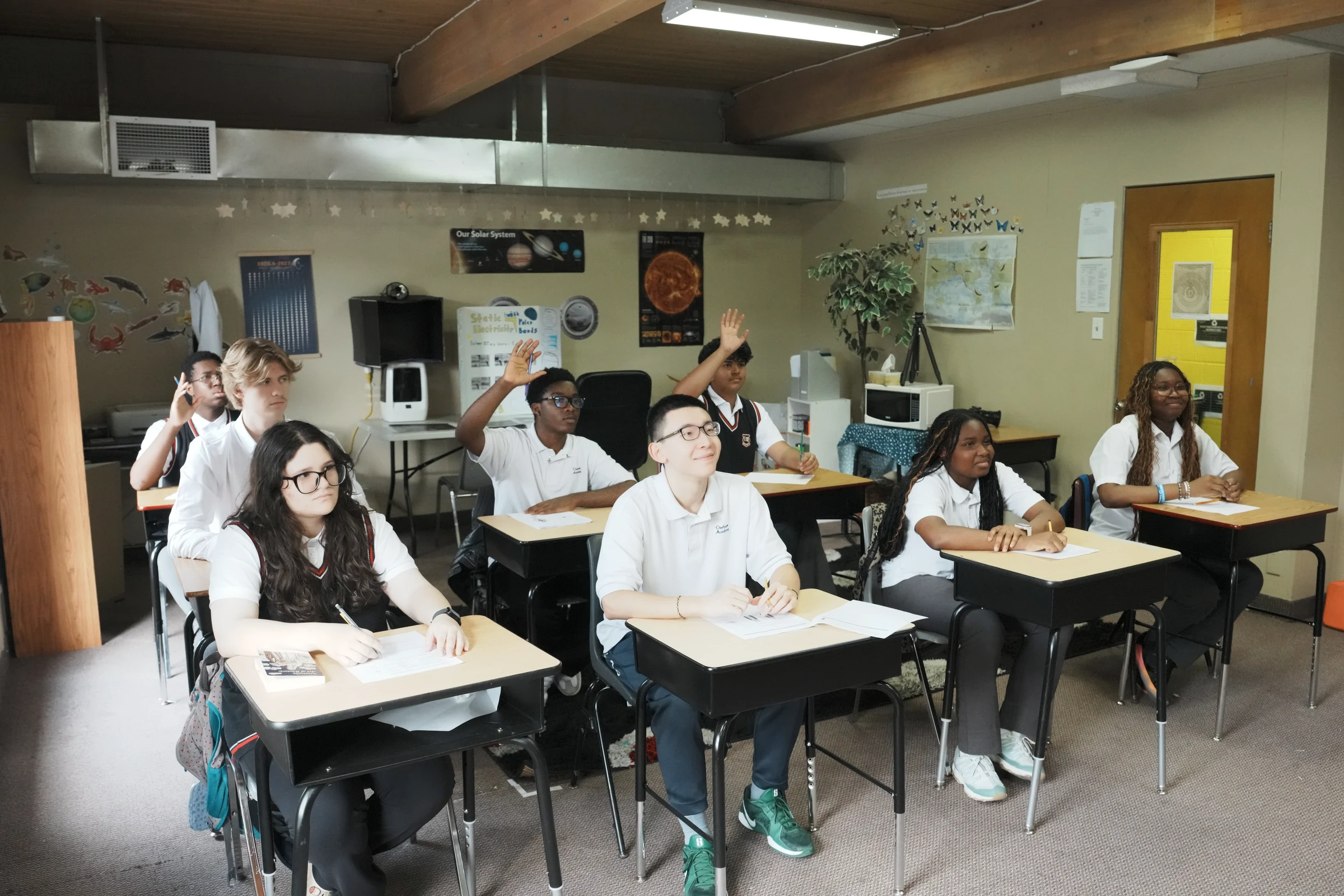
Durham Academy follows the Ontario secondary curriculum, with an emphasis on STEM, academic skills and preparation for post-secondary study. Course planning begins with the student’s interests and previous learning. Published school-day hours are 8:45 a.m.–3:45 p.m.
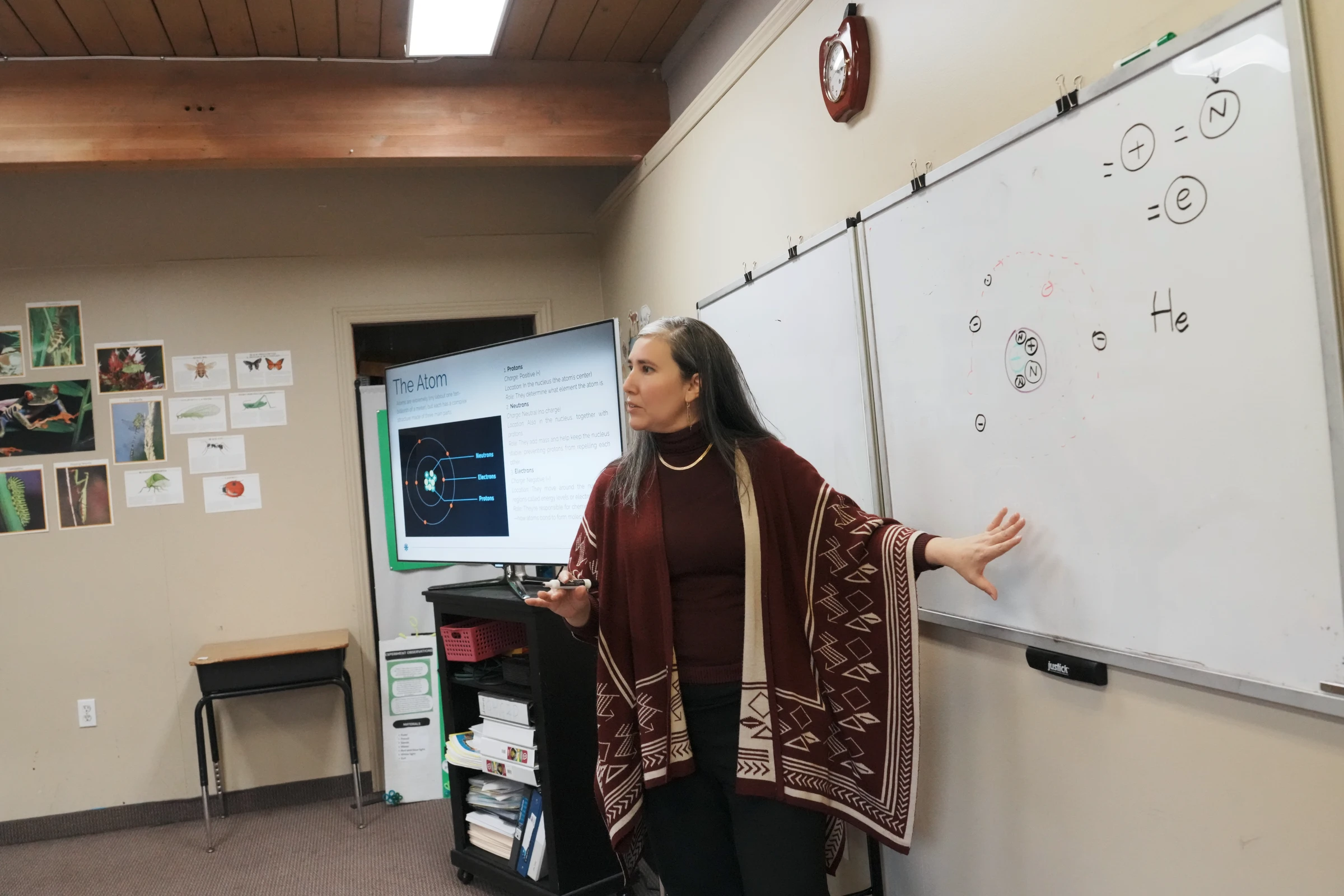
Develop research, note-taking, academic writing and presentation skills alongside subject knowledge.
Science Fair, applied-science workshops and project presentations create opportunities to explain, test and improve ideas.
Discuss course choices and prerequisites one to one, with family conversations and additional academic help along the way.
UNIVERSITY PLANNING AT DURHAM ACADEMY
Individual course planning. Programme research. Application guidance. Explore the possibilities with a teacher who knows you.
Explore university guidanceUNDERSTANDING ONTARIO HIGH SCHOOL
The Ontario Secondary School Diploma brings together course credits, literacy and learning beyond the classroom. Start with the essentials, then build an individual plan with guidance.
Required for the Ontario diploma
Transfer students need an individual credit review. The principal assesses equivalent credits and remaining requirements, including community involvement and online learning.
Learning to contribute is part of the diploma. Guidance helps you understand eligible activities and keep a record of your participation. For students transferring from outside Ontario after two or more years of secondary school, the principal determines the community-involvement hours required.
Students must meet the provincial literacy requirement. Ontario also requires two online-learning credits for the applicable cohorts, with an opt-out or exemption process. Discuss the route that applies to your situation with guidance.
Beginning in 2026–27, the financial literacy requirement is part of Grade 10 Career Studies for students who entered Grade 9 in 2025–26 or later. Students need at least 70% on the required modules; exemptions apply in specified circumstances. Check the current provincial guidance with your school.
UNIVERSITY & COLLEGE GUIDANCE
Joe Doyle works one to one with students on course choices, prerequisites and the next stage of education. Planning develops through conversations with the student, teachers and family.

Talk about the subjects you enjoy, the work you want to explore and your previous studies. This is the starting point for a course plan.
Look at programme prerequisites early. Review course choices with guidance so that your high-school studies support the options you want to keep open.
Compare universities and colleges, review application requirements and explore scholarship opportunities. Keep the student and family part of the conversation.
Academic writing, presentations, research and study habits matter after the offer arrives, too. Preparation is part of everyday learning.
BEYOND THE TIMETABLE
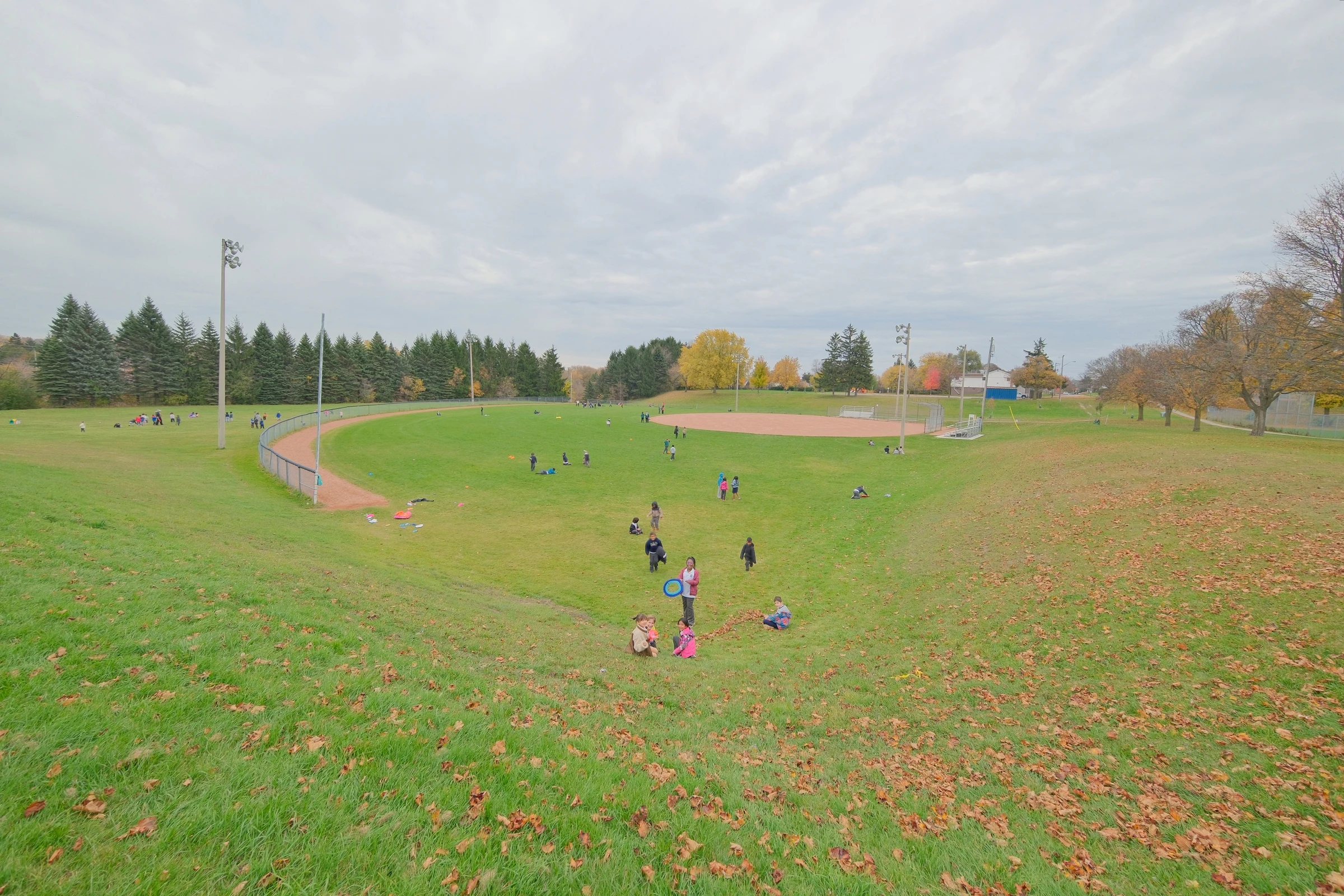
The school’s gym, outdoor activities, science projects and conversations between classes are part of the experience. Participation helps students become known beyond their marks.
SEE IT FOR YOURSELF
ADMISSIONS, STEP BY STEP
A conversation comes first. The admissions team will explain the requirements and available places for your child’s intended intake.
Share the student’s current grade, interests, school background and intended start date. Local families can request a visit; overseas families can begin with an online conversation.
Discuss previous courses, credit assessment and English-language needs. Ask the team for the documents and academic information required for an individual review.
Confirm course availability, the school year’s fees, the timetable and the next steps with admissions. A school-day visit may be arranged with the team.
After the school confirms the offer and enrolment arrangements, work through the preparation checklist with your named school contact.
FAMILY QUESTIONS
Begin with a review of the student’s previous studies and intended start date. Admissions and academic guidance can explain the assessment and any credit review needed for a proposed pathway.
Discuss the student’s English-language needs with admissions before applying. Ask which support is available for the intended intake and how it fits with the student’s course plan.
Published tuition information is available on the fees page. International families should request a written quote covering tuition, accommodation and any additional services for the specific school year.
Yes. Contact admissions to ask about a personal meeting, campus visit or online conversation. A prospective student’s school-day visit can be discussed with the team.
DURHAM ACADEMY SECONDARY SCHOOL
Tell us about your child. We’ll help you understand the next steps.
Talk to admissionsInformation for international families