
Observe, introduce, practise
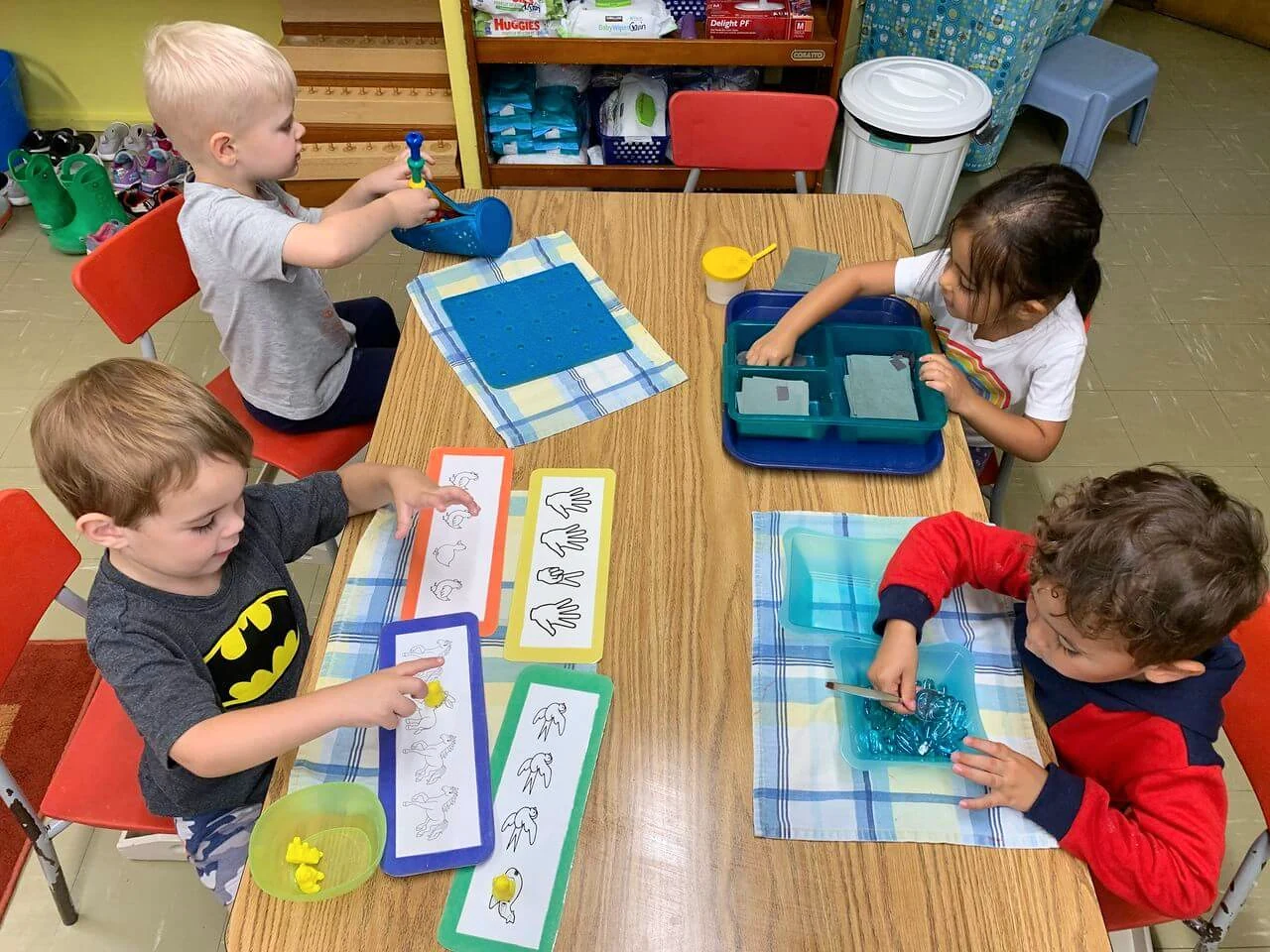
Teachers introduce work in response to what they see children doing. Children have time to repeat an activity and build familiarity.
18 MONTHS–AGE 5 · OSHAWA
Montessori early learning at the Adelaide Avenue campus. Explore how children learn with materials, develop independence and become part of a classroom community.
505 Adelaide Avenue East
THE SCHOOL PROGRAMME
The classroom offers children choices within clear routines. Teachers observe how each child learns, then introduce materials and activities that support the next stage of development.
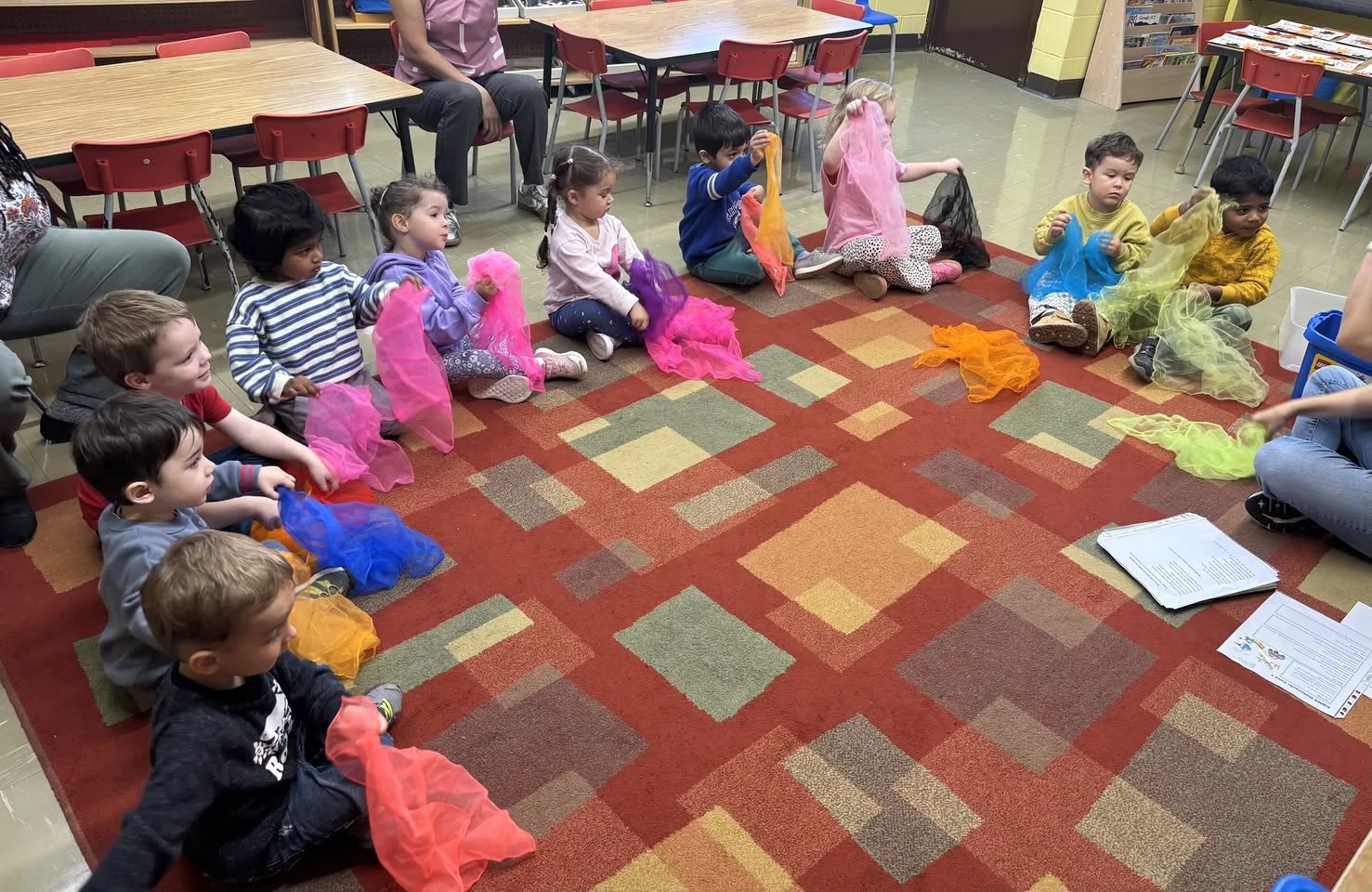
Teachers introduce work in response to what they see children doing. Children have time to repeat an activity and build familiarity.
Choosing materials and working within shared ground rules helps children take part in the life of the classroom.
Children work alone or with others. Respect for people and the environment is part of the Montessori approach.
18 months to age 3 · Adelaide campus
An early-childhood programme introduces Montessori alongside activities that follow children’s interests. Music, movement and library experiences add variety to the day.
INSIDE THE CURRICULUM
Montessori learning connects subjects with things children can handle, explore and revisit. French, music, physical education and library experiences add to classroom learning.
Children handle materials and explore through their senses. The teacher observes, introduces an activity and makes room for the child to practise at an individual pace.
Language and mathematics are part of the Montessori classroom. Children can revisit familiar activities and move towards new work as their understanding develops.
Science, history, geography, art and music broaden the early-learning experience. Different subject areas give children several starting points for their curiosity.
French begins in Casa 1. Songs, music, drama and movement support language learning, alongside specialist music and physical-education experiences.
Children choose activities within age-appropriate classroom ground rules. Respect for one another and the environment supports independent work and participation in a group.
Children work individually or with others. A classroom with different abilities offers opportunities to observe, contribute and learn from one another.
THE PRACTICAL DETAILS
The 2026–27 GBMS & DEPS tuition schedule sets out the full-day hours and additional care. Ask the school to confirm the arrangements for your child’s class and campus.
Available separately from the full-day programme.
The published full-day arrival window.
Plan collection arrangements with your child’s campus.
Review care charges and arrangements before enrolling.
Talk with the team about meals, rest, settling in and any care your child needs before confirming a place.
FIND YOUR CAMPUS
Great Beginnings shares the Adelaide Avenue campus with the younger grades of Durham Elementary. A visit is the best opportunity to meet the team and see the class your child may join.
Books, materials and classroom spaces across Durham’s schools. During your visit, ask the team to show you the rooms and routines for your child’s class.
PHOTOGRAPHS & SCHOOL STORIES
The school’s own updates record library visits and Casa 1 summer-camp activities. These photographs show particular events, from movement with stories to exploring materials and painting.
Great Beginnings serves children from 18 months to age 5. The school describes Pre-Casa for 18 months to age 3, Casa 1 at age 3, and the later Casa stages. Ask the team to confirm the appropriate class and available places.
Children choose from materials and activities within clear ground rules. Teachers observe how they work and introduce new activities when appropriate. Individual practice is balanced with learning alongside others.
Pre-Casa has a daily journal and two progress reports during the school year. Casa 1 has three report cards and two parent interviews. Ask about communication and reporting for your child’s particular class.
The published programme includes specialist French, music and physical education. French begins in Casa 1, with songs, drama, music and movement among the ways children encounter the language.
Share your child’s age, routines, interests and any care needs. Ask about settling in, meals, rest, current places and the full fee schedule. A visit is an opportunity to understand how the class works.
VISIT & ADMISSIONS
Share your child’s age or current grade, interests and intended start date. The school can help you understand the suitable programme, the visit arrangements and the next steps.
Introduce your child and the questions you would like to discuss. Confirm the right campus before arranging a visit.
Meet the team, learn about the classroom and ask about routines, support and the programme. Discuss any student-visit arrangements directly with the school.
Confirm placement, availability, required documents and the full fees before completing enrolment.
Programme and campus information is based on the school’s published materials. Confirm current arrangements and availability with the school before enrolment.
School programme pageSchool & campus information